
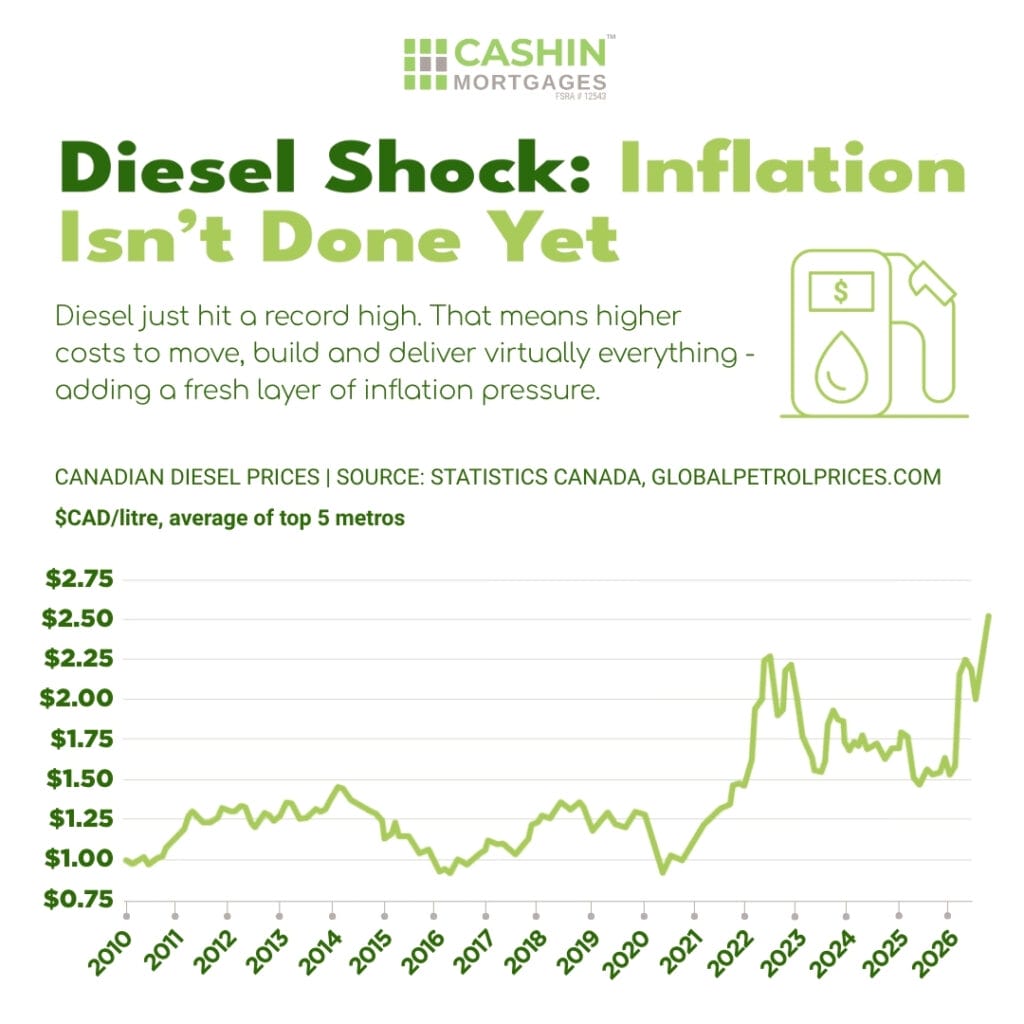
Diesel prices have reached record levels, adding another layer of inflationary pressure to the Canadian economy.
Diesel plays an important role in transportation, construction, agriculture, manufacturing and the delivery of goods. When fuel costs rise, businesses can face higher operating expenses, which can eventually affect the cost of goods and services.
This is another factor to watch as inflation continues to influence the broader economy and interest-rate environment.
What Does This Mean for Borrowers?
Higher costs can put additional pressure on household budgets.
If you're planning a renovation, construction project or major purchase, increased material and transportation costs could affect your overall budget.
For borrowers, it's important to consider more than just the advertised mortgage rate. Monthly cash flow, borrowing costs and financial flexibility should all be part of the conversation.
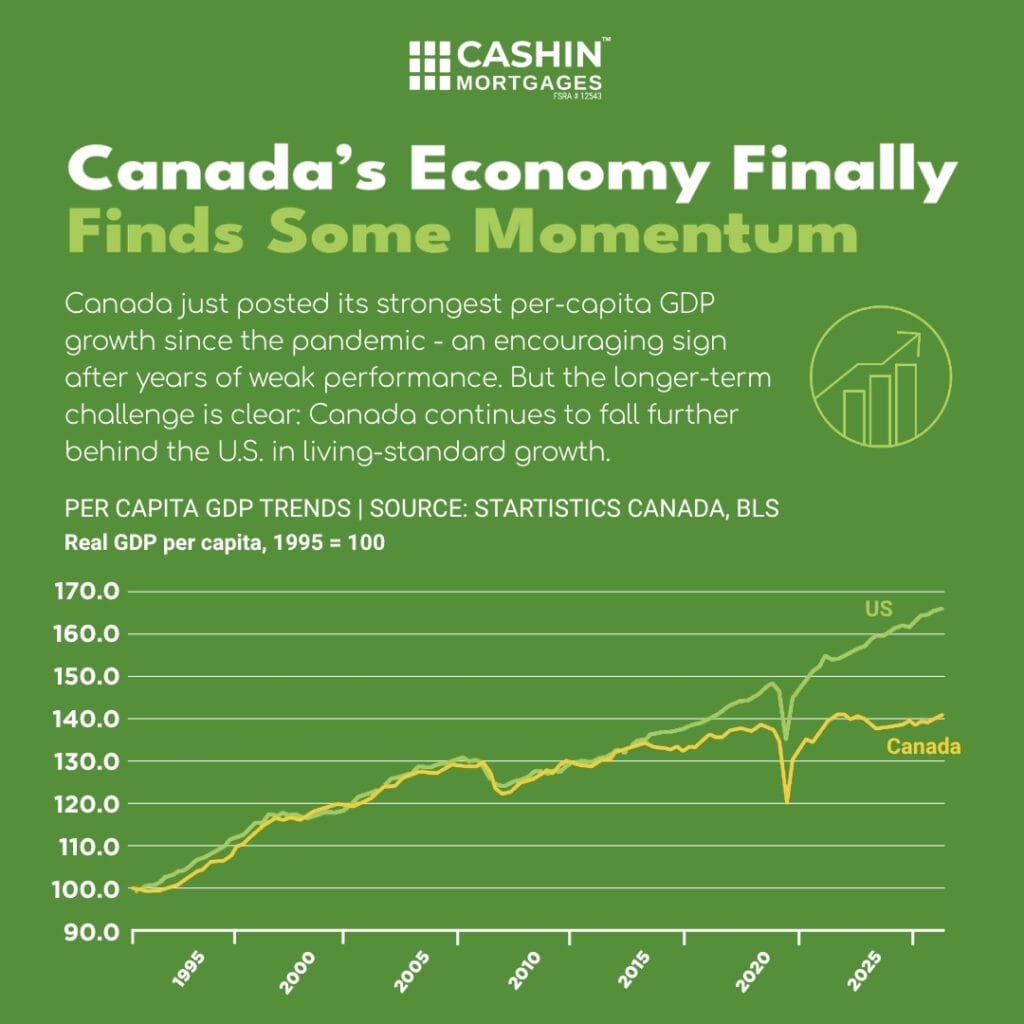
There is some encouraging economic news as Canada records its strongest per-capita GDP growth since the pandemic.
After several years of relatively weak economic performance, stronger growth could support employment, consumer confidence and business activity.
However, Canada's longer-term challenges around productivity and growth remain important considerations.
What Does This Mean for Borrowers?
A stronger economy can eventually support housing activity, but economic improvements don't necessarily affect every household in the same way.
If you're considering a mortgage, refinance or home-equity strategy, your income, debt, credit profile, property value and financial goals are more important than any single economic headline.
Your mortgage should be based on your financial situation not simply what's happening in the economy as a whole.
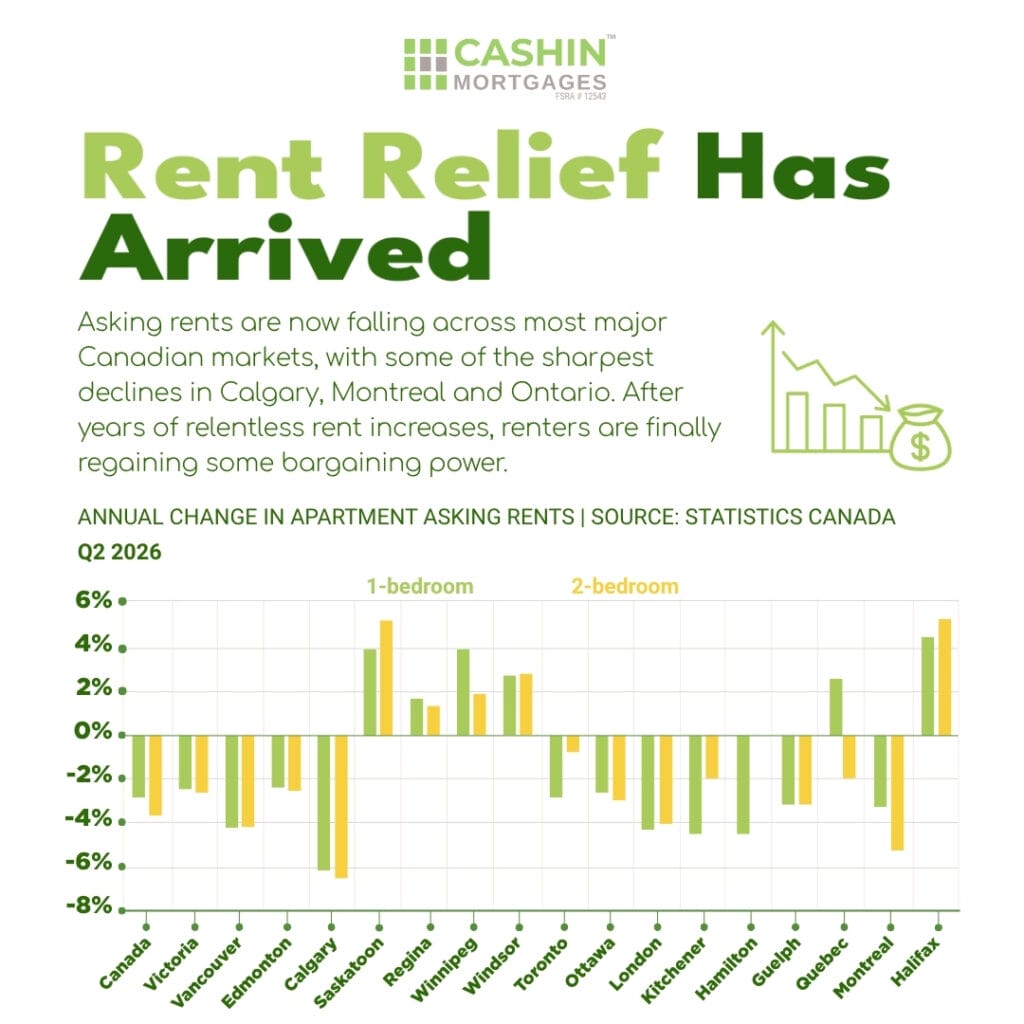
After several years of significant rent increases, asking rents are now declining in several major Canadian markets.
Markets including Calgary, Montreal and parts of Ontario have experienced notable declines, potentially giving renters more negotiating power and some relief from rising housing costs.
What Does This Mean for Borrowers?
For renters, lower asking rents could mean more options and potentially lower monthly housing costs.
For those considering purchasing an investment property, however, changing rental conditions need to be carefully considered.
Before purchasing an investment property, look at current rental rates, vacancy conditions, expenses and realistic cash flow rather than relying on rental income from previous market conditions.
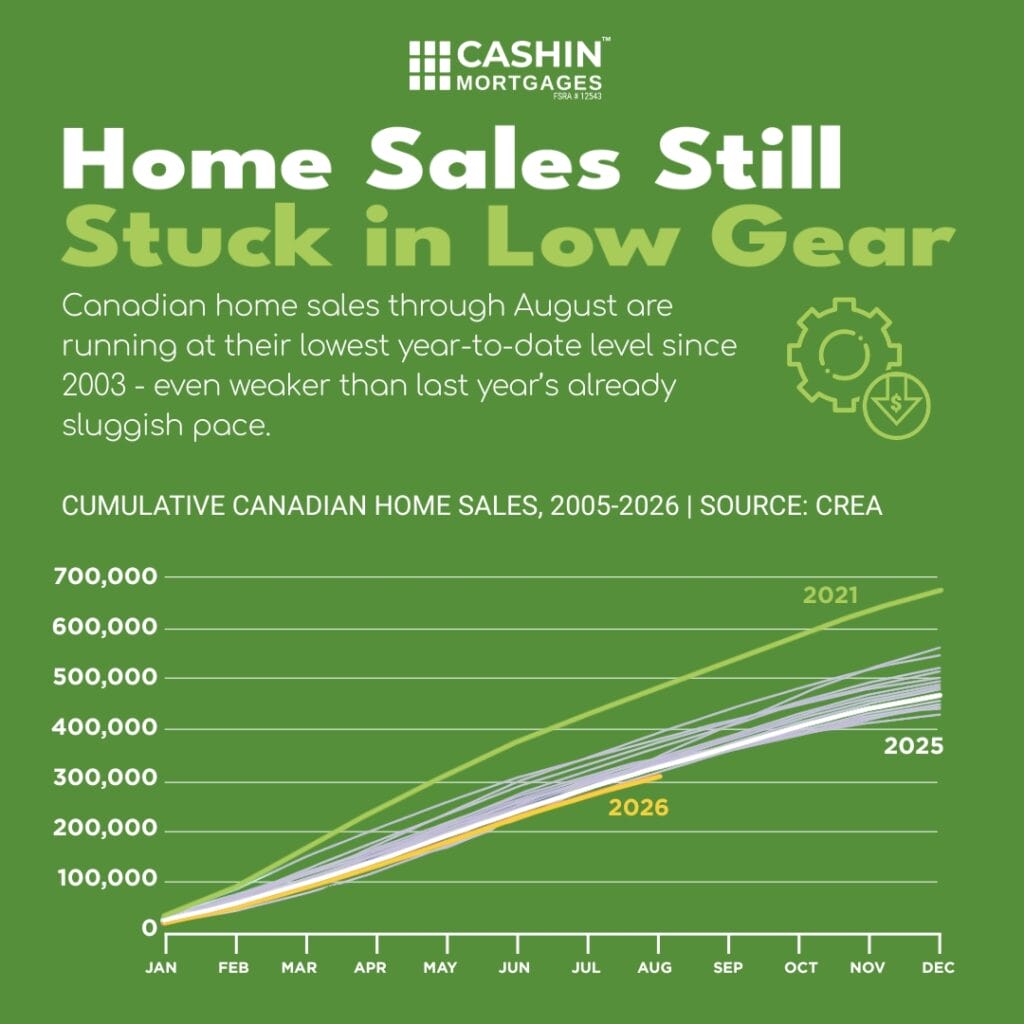
Canadian home sales remain subdued, with activity through August running below an already sluggish pace from the previous year.
Affordability concerns, borrowing costs and economic uncertainty continue to influence housing decisions.
A slower market can create different opportunities depending on your circumstances.
What Does This Mean for Borrowers?
Buying a home? A slower market may give you more time to compare properties, complete your due diligence and negotiate.
Selling your home? Understanding your property's current market value can help you plan your next move.
Considering refinancing or accessing equity? Knowing what your home is currently worth can help determine how much equity may be available.
Looking at an investment property? Focus on the property's individual fundamentals, including purchase price, rental income, expenses and financing costs.
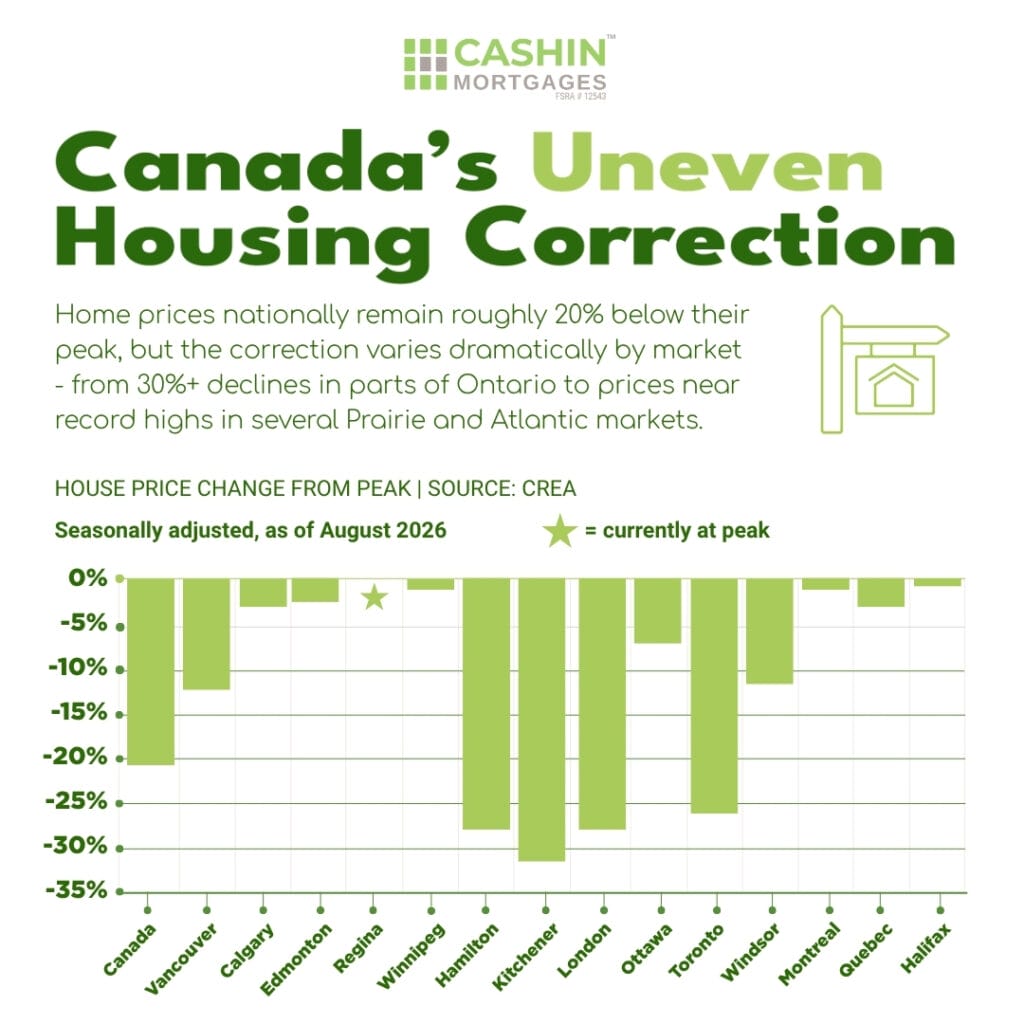
Canada doesn't have one single housing market.
While national home prices remain below their previous peak, the degree of correction varies significantly from region to region.
Some Ontario markets have experienced substantial declines, while several Prairie and Atlantic markets remain much closer to previous record levels. t.
What Does This Mean for Borrowers?
Where your property is located matters.
Local market conditions can affect your home's value, available equity and potential financing options.
If you're considering a refinance, home-equity strategy, purchase or investment property, understanding your local market is important.
National housing headlines don't necessarily tell you what your own home is worth or what options may be available to you.

Digital Marketing Expert | Cashin Mortgages
